Kas ir padel teniss?
Ievads padel tenisā: Dinamisks sporta veids ikvienam
Padel tennis, or simply “padel,” is an exciting mix of tennis and squash that originated in Mexico. The sport has been rapidly gaining popularity around the world since its inception in the late 1960s. Played on a closed, walled court, padel offers a unique blend of strategy, excitement, and athleticism. Whether you’re an experienced tennis player or a complete beginner, padel is easy to learn yet challenging, making it appealing to anyone who wants to play a fun game – tennis, but not quite tennis!
The essence of padel tennis
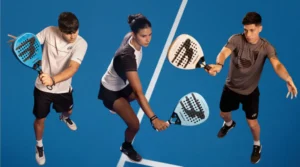
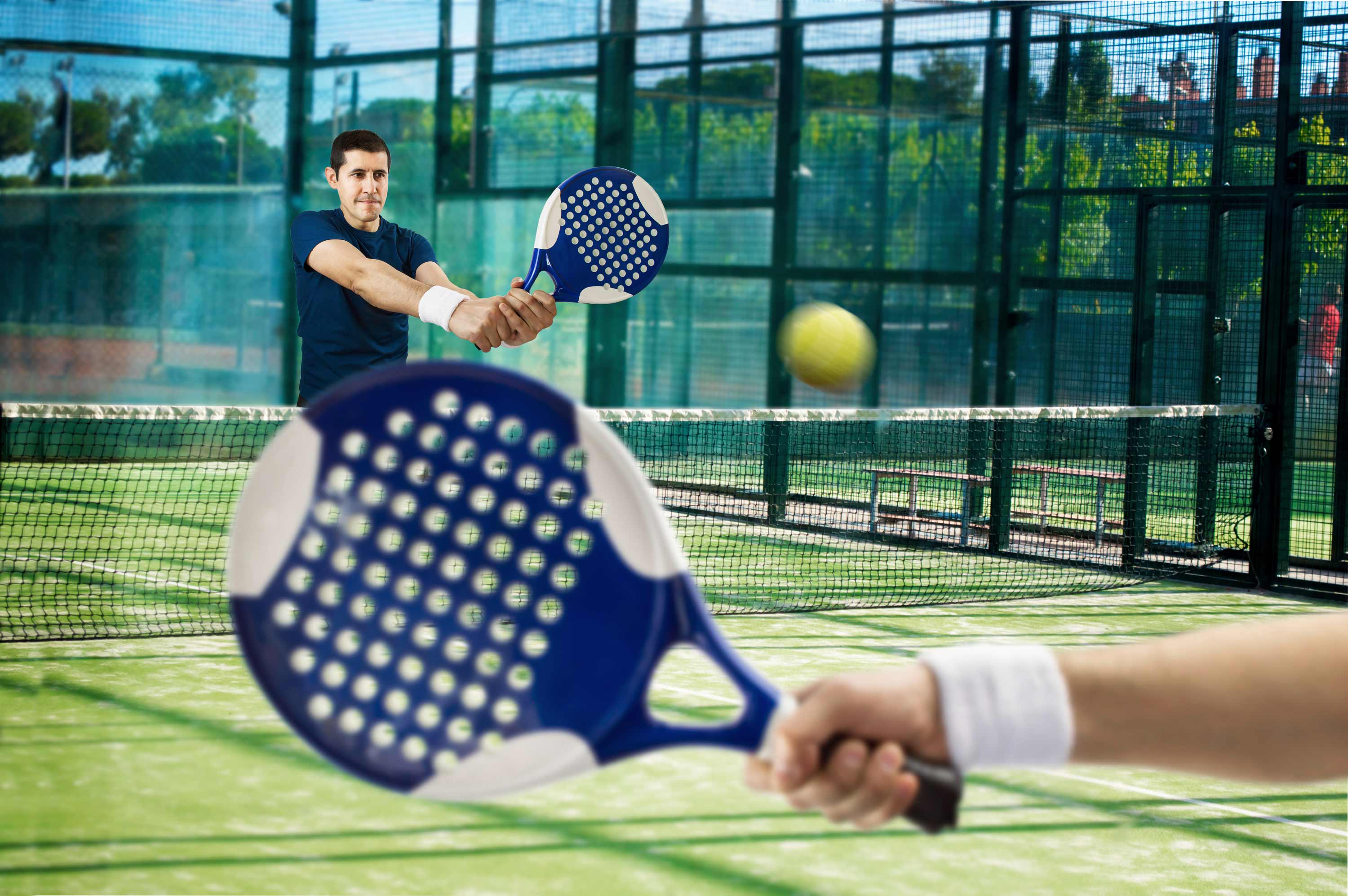
Padel is a unique combination of racket sports that has taken its place among court sports and is here to stay! Padel is a dynamic and fast-paced game that can be played in foursomes (doubles) or even individually – one-on-one.
These quick exchanges and long series make the game exciting and energetic, capable of exciting spectators once the basic rules of padel are understood. Those who are already familiar with the scoring system of tennis and squash will understand much more quickly how points are scored in padel. The agility required by the players, quick and precise strokes, and teamwork make this sport exciting for both players and spectators.
Understanding the Padel court: Dimensions and features
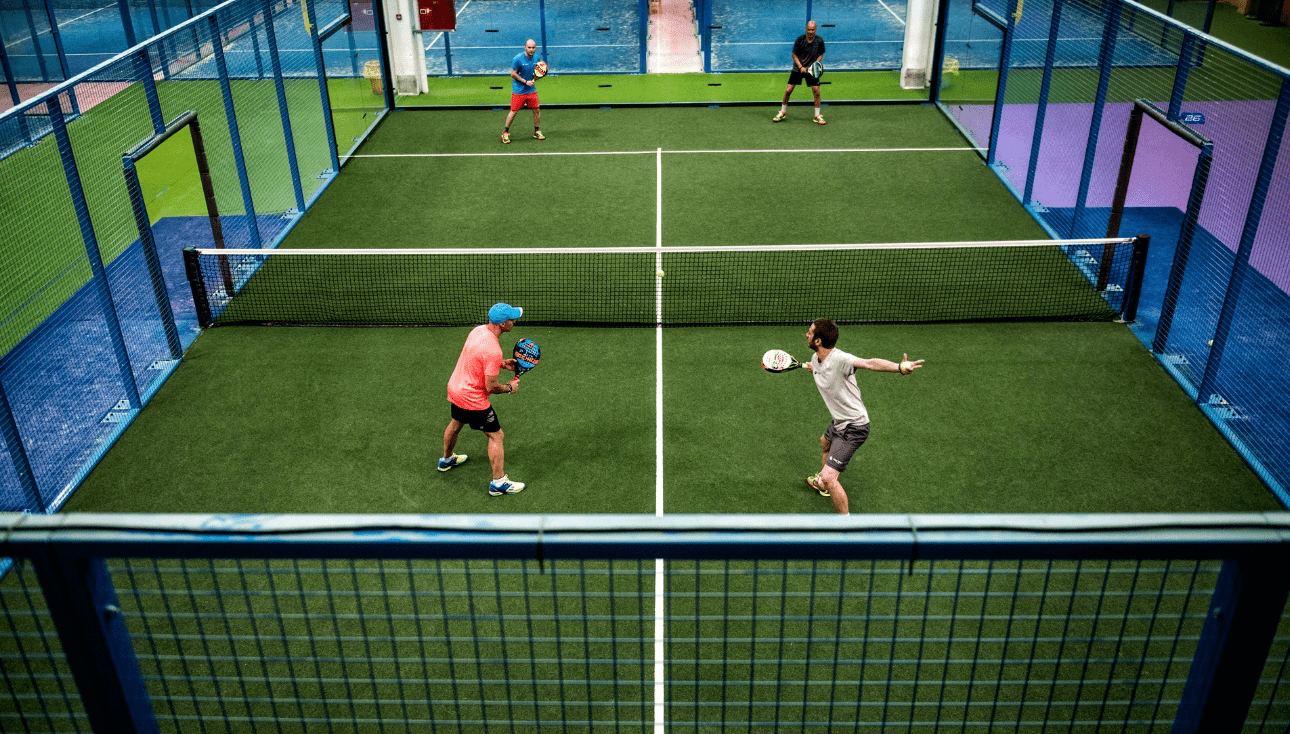
Padel is played on a court that is about a third the size of a standard tennis court – 20 meters long and 10 meters wide. Padel courts use a special surface: synthetic grass or artificial turf, which ensures a stable ball bounce and at the same time creates a comfortable but sufficiently grippy playing surface.
Padel is a very versatile sport, as it can be played in all weather conditions, both indoors and outdoors on a court surrounded by metal mesh walls and glass – to allow the ball to bounce back, which adds to the strategy! The court is divided into two parts by a net that is slightly lower than a standard tennis net.
Padel equipment knowledge: Rackets and balls
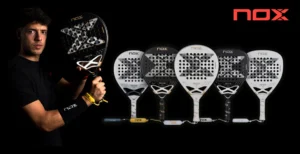
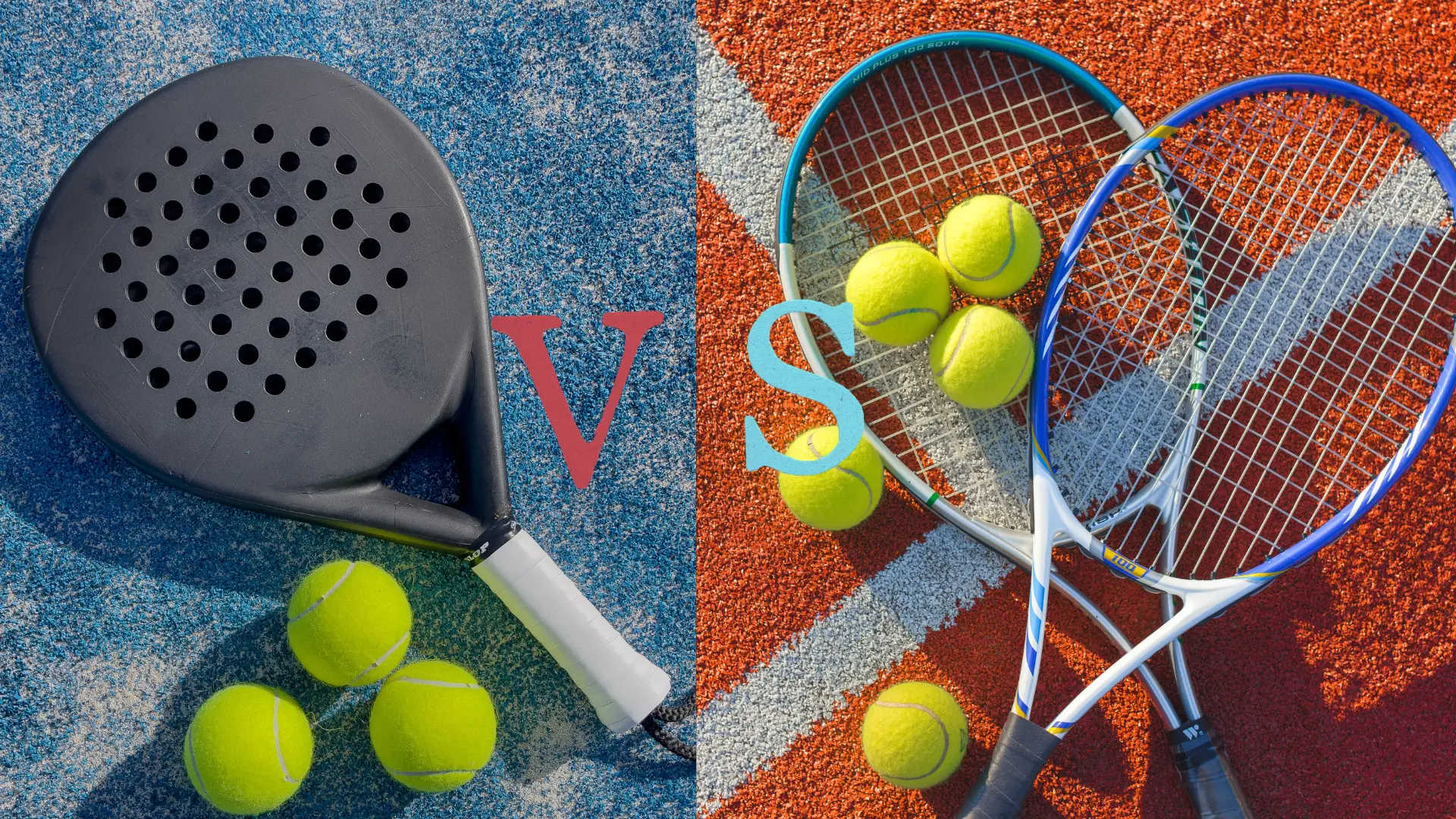
Padel rackets have a hard surface and do not have the strings typical of tennis rackets, resembling a larger table tennis racket with holes, which makes them lighter. The frame is usually made of composite materials such as carbon fiber, fiberglass or Kevlar, while the core is made of EVA (ethylene vinyl acetate) or foam. This design allows for easier control of the ball.
The diameter of a padel ball should be between 6.35 cm and 6.77 cm, which is slightly smaller than a standard tennis ball. The lower internal pressure makes them ideal for playing against walls.
Unlike tennis, where shots are made with power and an overhand serve, padel requires an underhand serve, where the ball must hit the ground first. This game relies more on precise shots, combining control and power.
Understanding Area Dimensions: Key Elements of a Sub-Area
Understanding the dimensions and angles of the court is essential to mastering the nuances of padel tennis and developing effective playing strategies. An important aspect of the game is how the ball bounces off the walls – players must be able to predict the movement of the ball and use the walls to their advantage. A padel court has a back wall and side walls that partially run the length of the court.
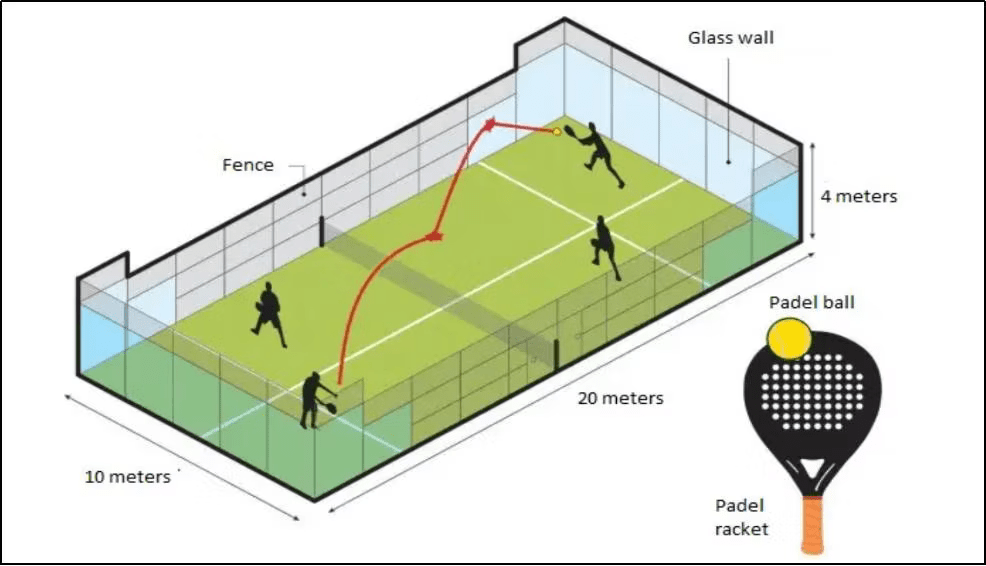
The padel court consists of three main areas:
- Service zone – the place from which players perform the down serve.
- The close zone or red zone (near the net) is ideal for volleys and aggressive play.
- The back area or “fondo de pista” – the place where players retreat to protect themselves from strong hits.
Strategic use of zones is crucial to winning the game.
Decoding the Scoring System: Padel Game Rules
In padel, strategy is more important than strength. However, it retains some similarities to the official tennis scoring system:
- The game is played to 6 points, and to win, you must gain a lead of at least 2 points (e.g. 6-4, 7-5).
- If the score is 6-6, a tiebreak is played (usually to 7 points with a 2-point lead).
- A match can consist of 3 or 5 sets.
- Points are counted the same as in tennis: 15, 30, 40, advantage and “deuce” (tie).
Points are scored if the opponent fails to return the ball or makes a mistake (for example, knocking the ball out of bounds).
In learning and playing padel, not only the bottom serve is important, but also smart game tactics!
Main aspects to focus on during the game:
- Using walls – Skilled players use walls to create more complex shots, force opponents to make mistakes, or set up winning shots.
- Variety of shots – combining different shots (short shots, lob shots, volleys, low shots) makes the game unpredictable and prevents the opponent from dominating.
- Footwork and positioning – proper positioning on the court and quick reaction to your opponent’s shots are the key to success.