
Padel rules
Area:
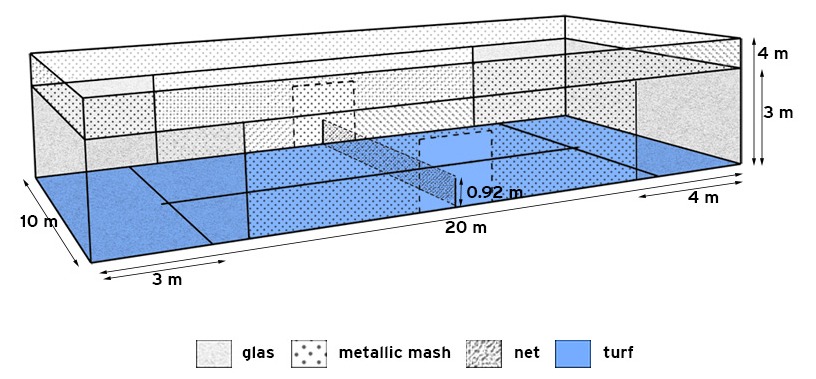
There are two types of padel courts, doubles (20m x 10m) and singles (20m x 6m). Approximately 90% of all courts in the world are designed for doubles, as singles have not been able to gain popularity in the padel community.
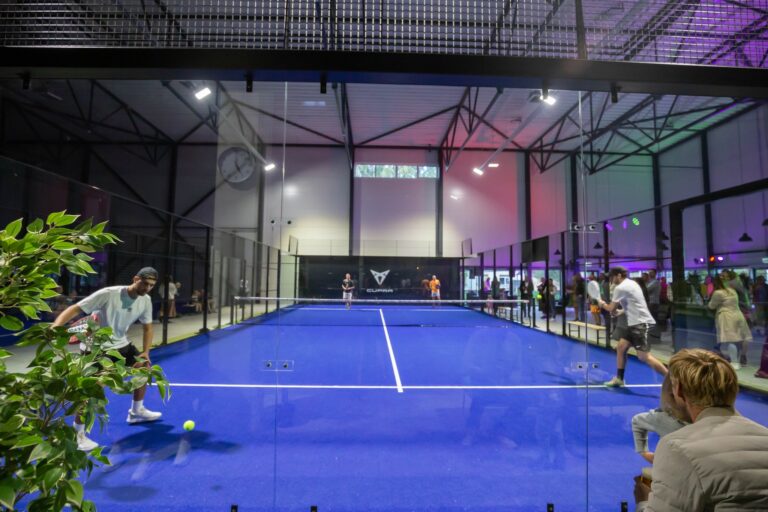
The field is surrounded by walls on all sides. The back walls and partially the side walls are surrounded by 3m of glass or masonry. The other side walls are made of rigid metal mesh.
A net that divides the court into two parts (like a tennis court): 10 m long, 0.88 m high in the center and 0.92 m at each end.
Padel racket:
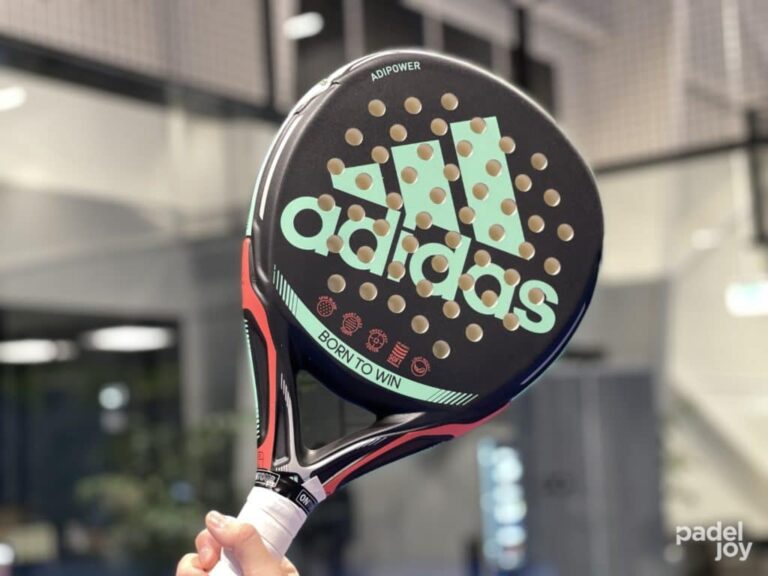
A padel racket has no strings, is made of graphite, and is smaller than a tennis or squash racket, but is comparable in appearance to a table tennis racket.
A stringless racket, usually made of fiberglass or graphite.
It weighs between 320 and 400 grams.
The racket must not be longer than 45.5 cm, wider than 26 cm and thicker than 38 mm (30 to 38 mm thick – depending on the player’s age and skills).
Padel balls:
Similar to tennis balls, however, they differ slightly in size and have different internal pressures.
Padel balls have a pressure of 11 psi, while tennis balls have a pressure of 14 psi.
They are made of the same materials and are made by the same manufacturers, but the pressure is lower, so they fly slower, and the rebound against the racket and walls is smaller and slower.

Rules - points:
Points are counted exactly like in tennis: 15, 30, 40, over/under, or a decisive (golden) point, then the game is won.
A set is won when one of the teams wins 6 games by at least two points. If the score is 6-5, the set is extended by one more game. If the score is 6-6, a tie-break is played to 7 points, just like in tennis (you must win by a two-point margin).
Rules - when serving:
The lines on the court are only used during serving.
The first time the serve is served from the right to the left square (diagonally).
The serve must be made from below. The ball must bounce against the ground before the serve and before the service line on your side of the court. The serve must bounce in the opponent’s service court.
A serve can hit the opponent’s glass wall, but hitting the metal net is considered a fault.
A serve must be re-served if, after touching the net, the ball hits the ground twice before it touches the metal structure.
Players have two serves.
If the ball flies directly into the opponent’s wall, it is counted as an “out.” The ball must bounce to the ground before hitting the opponent’s wall.

Rules - mock:
The lines on the court are only used during serving.
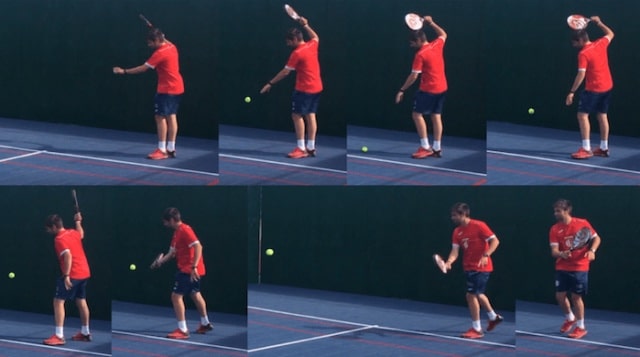
The ball may touch the court once during a play.
The ball may also be hit against the glass wall on the player’s own side to hit it into the opponent’s side of the court. A player may not hit the ball against the metal net on their own side.
If the ball first touches the wall instead of the court, then a point is lost.
In many cases, the rules in padel are the same as in tennis, however, there are some exceptions.